
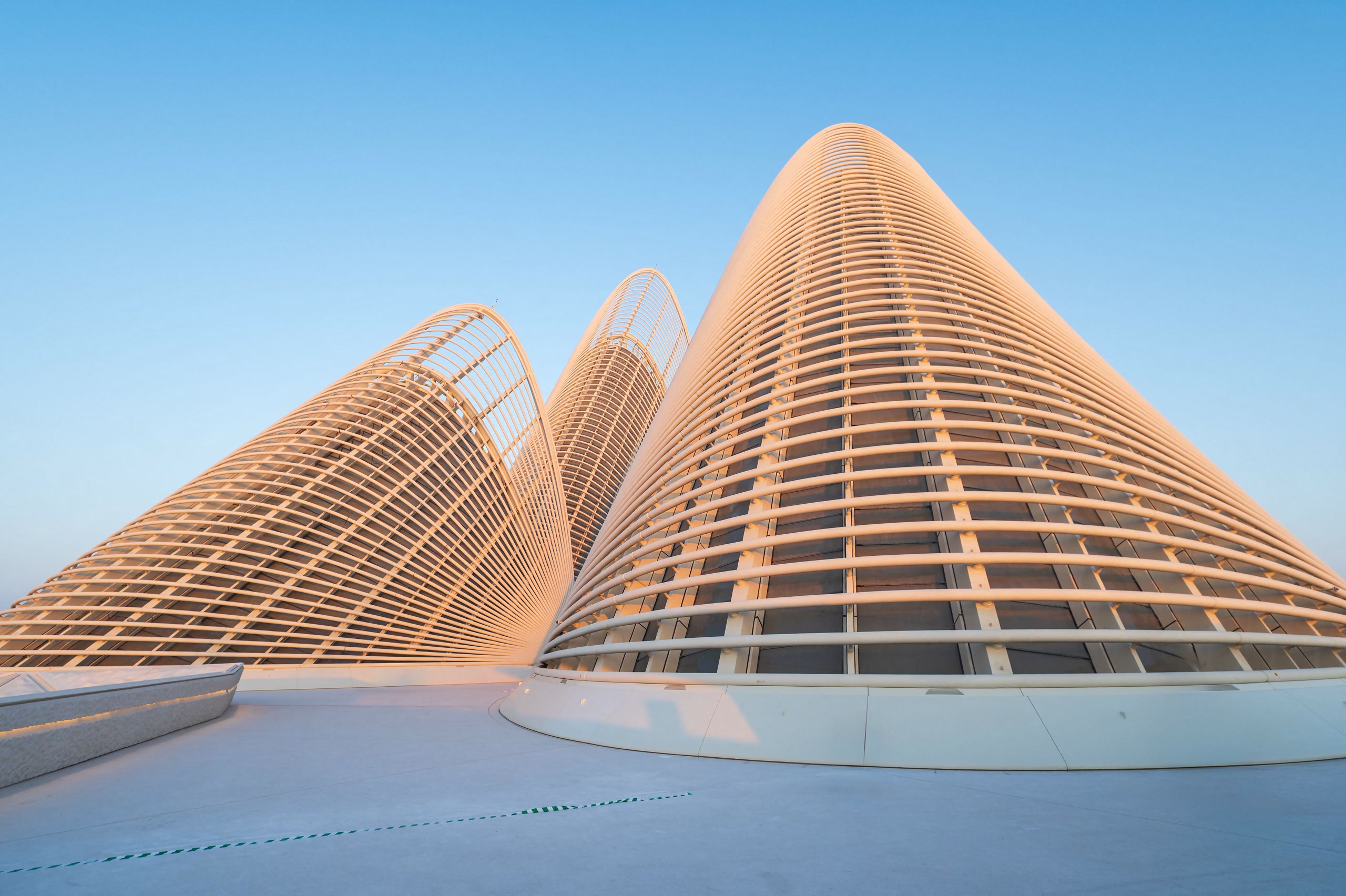
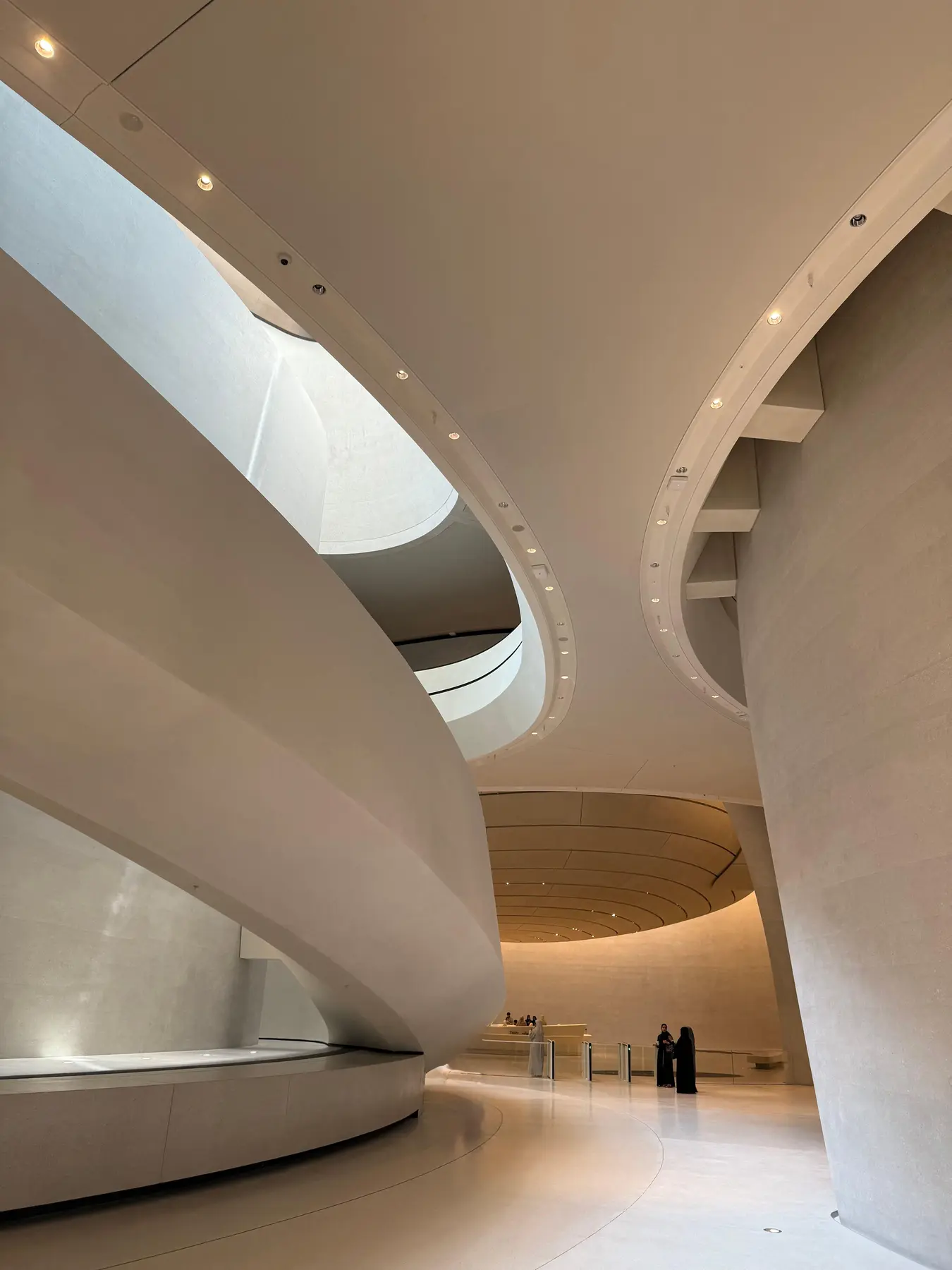
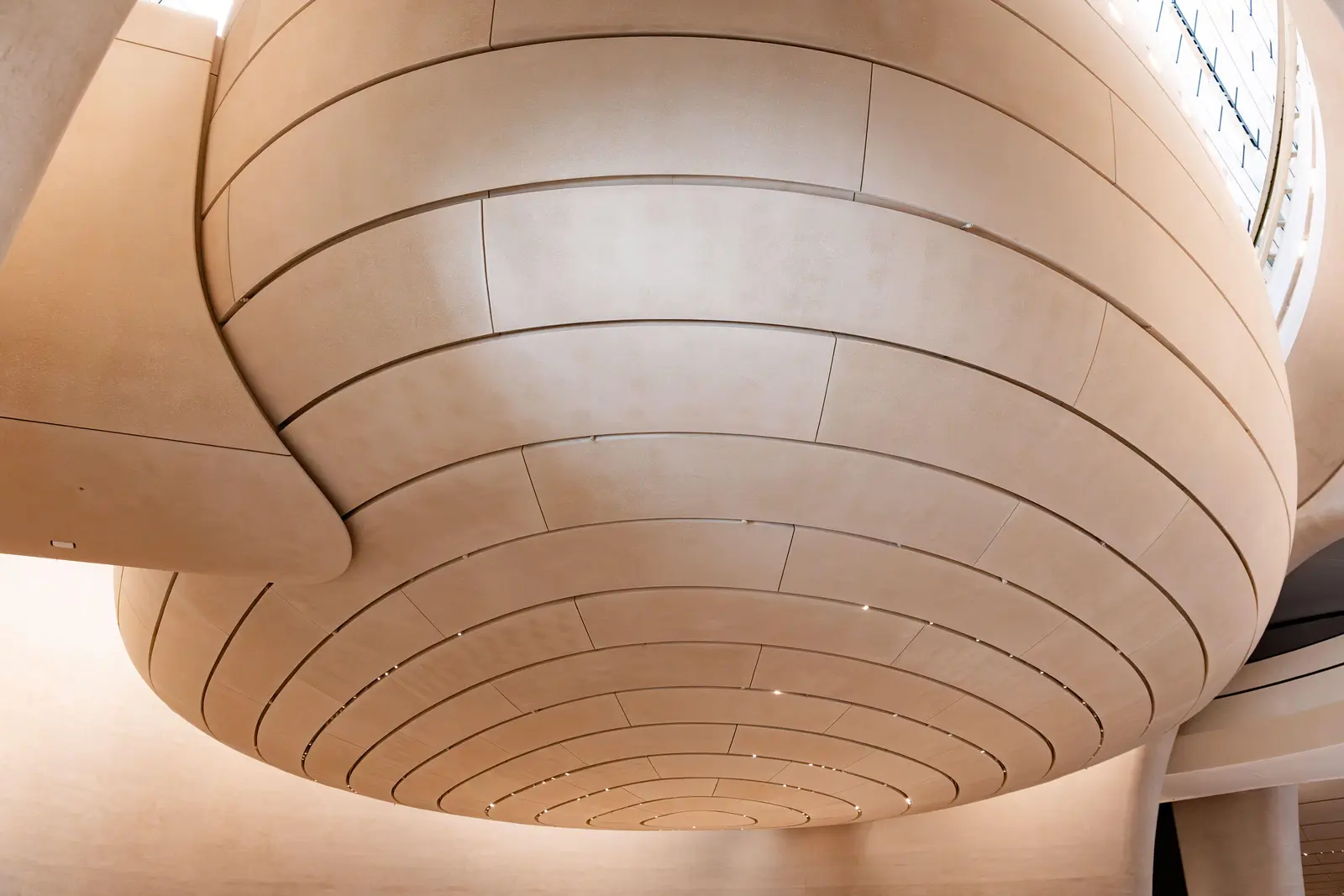
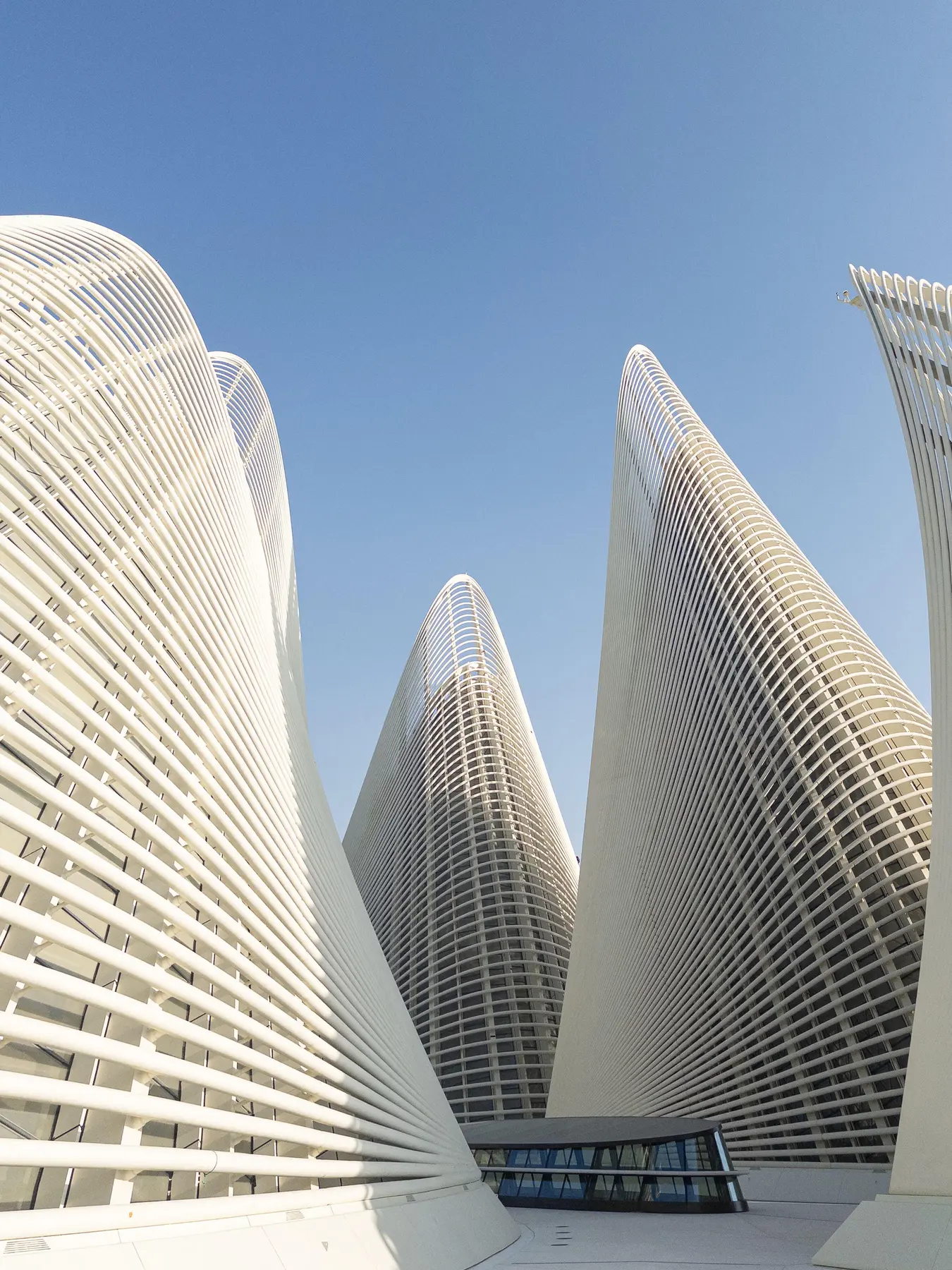
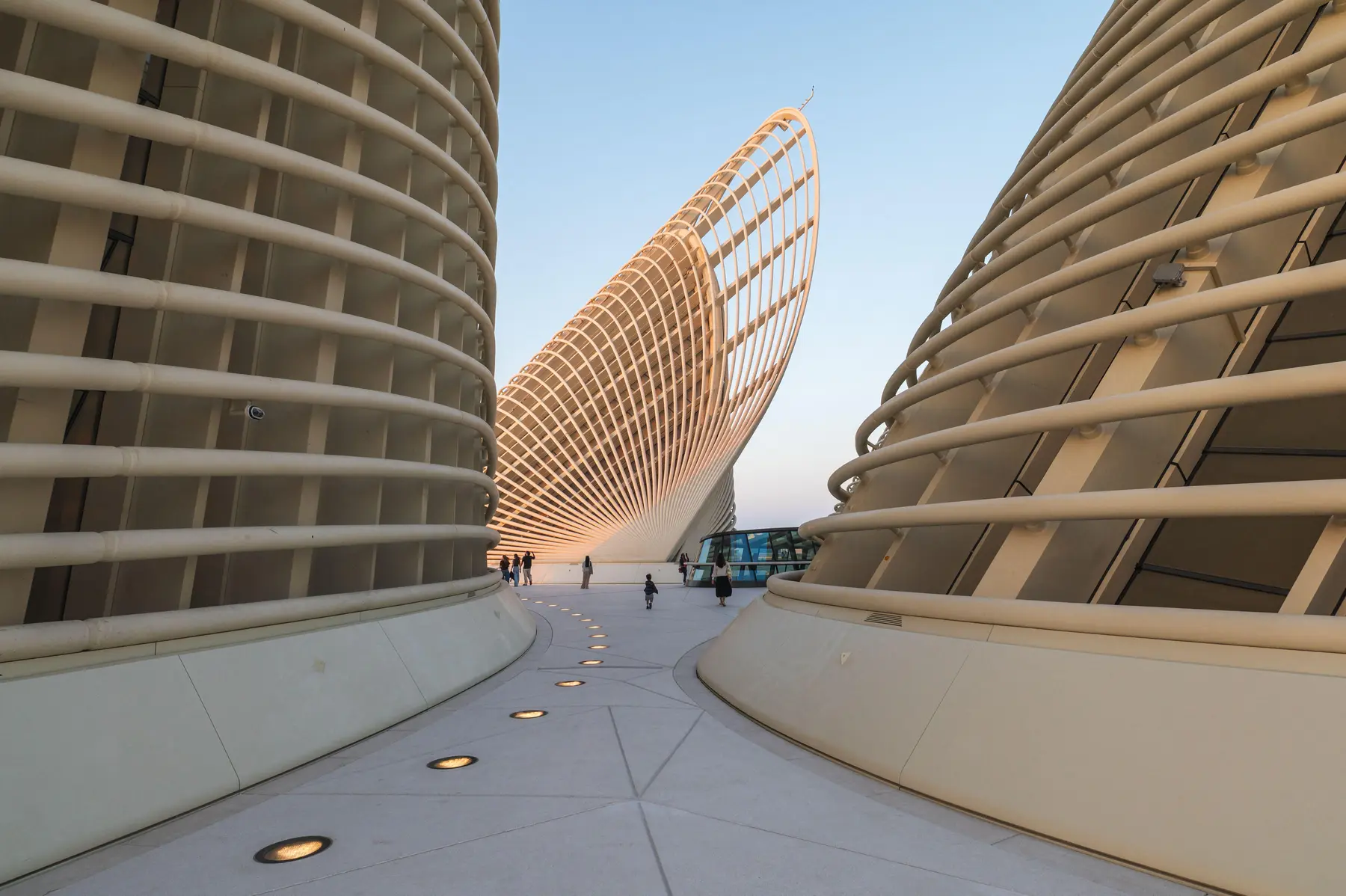
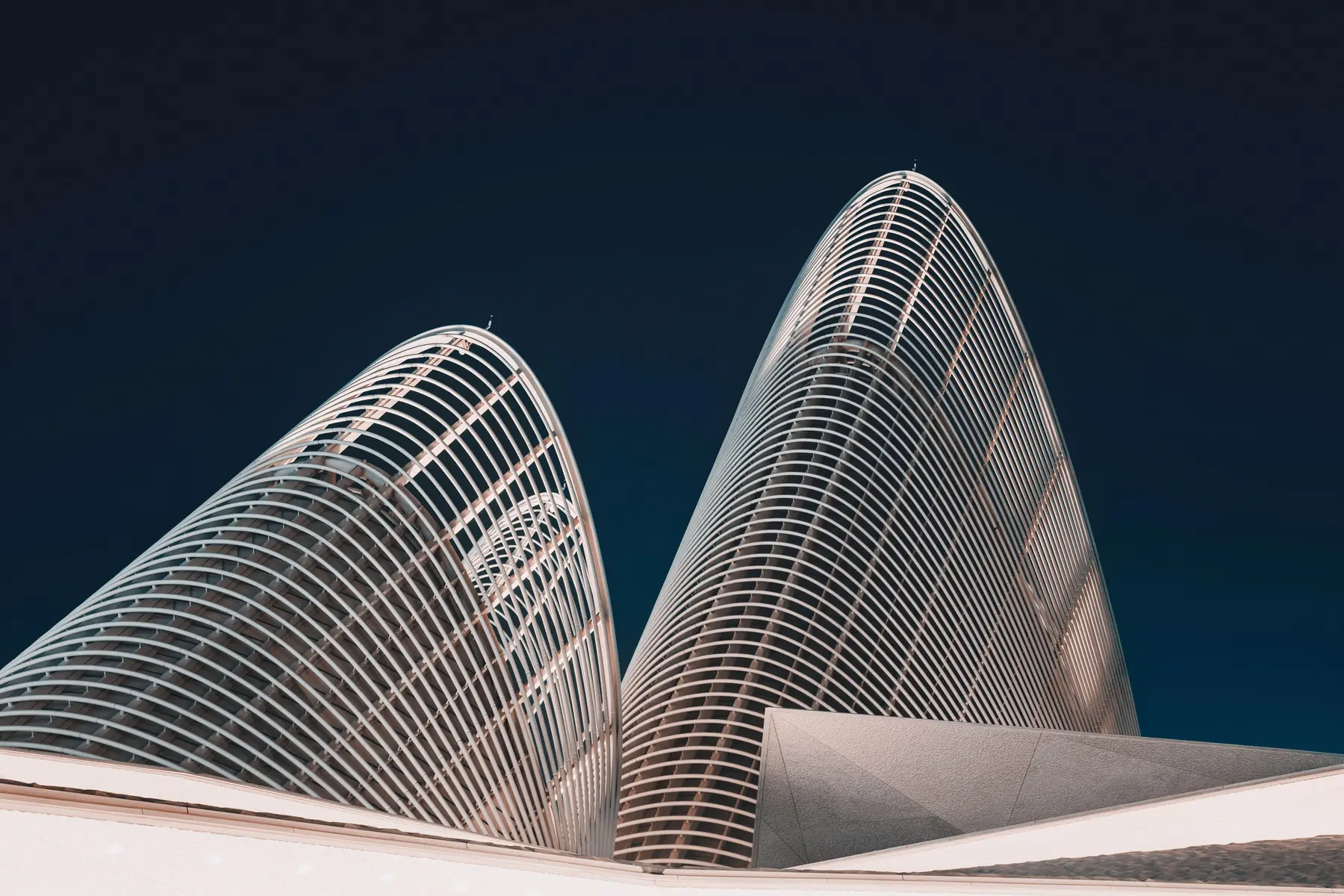
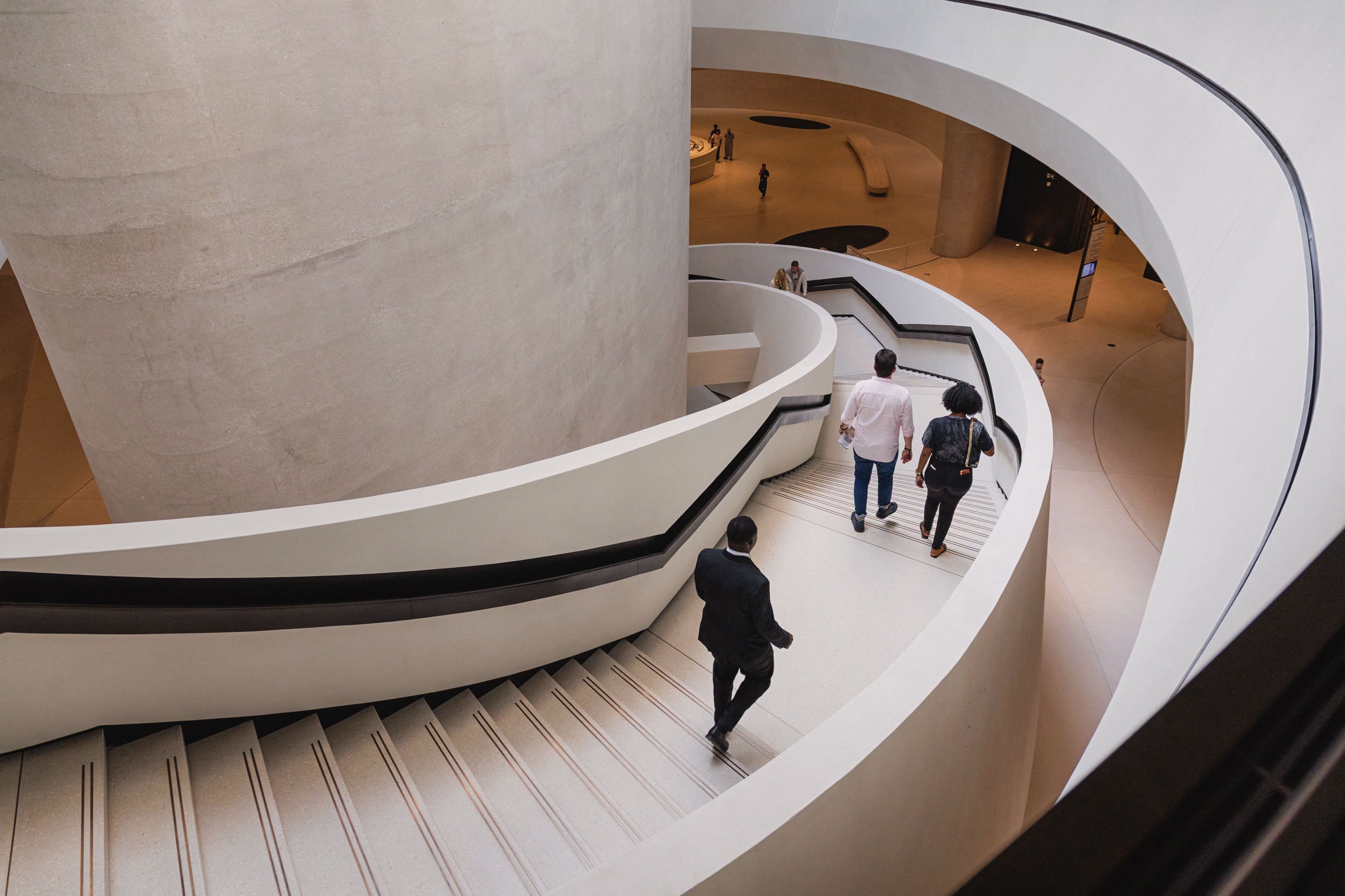
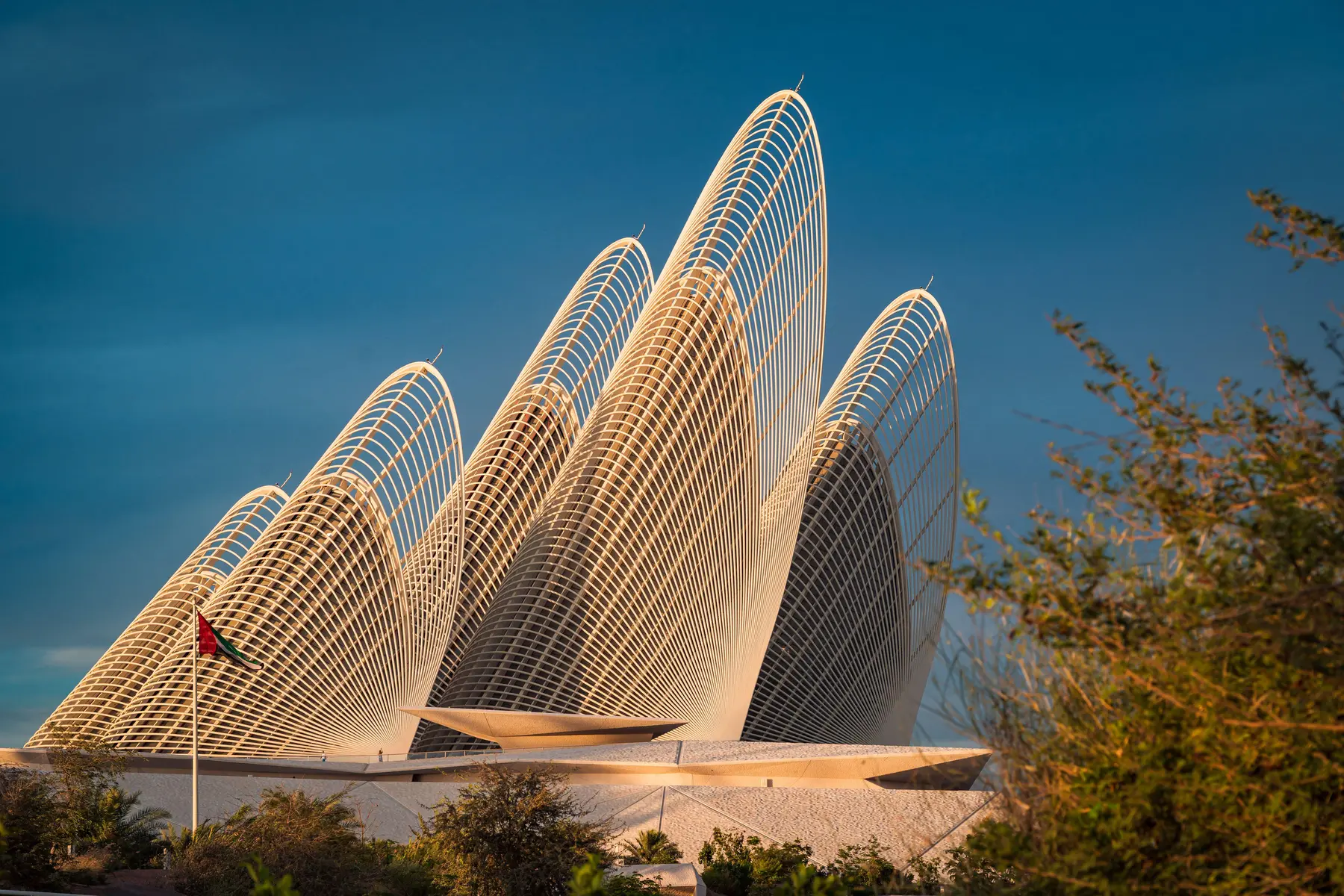
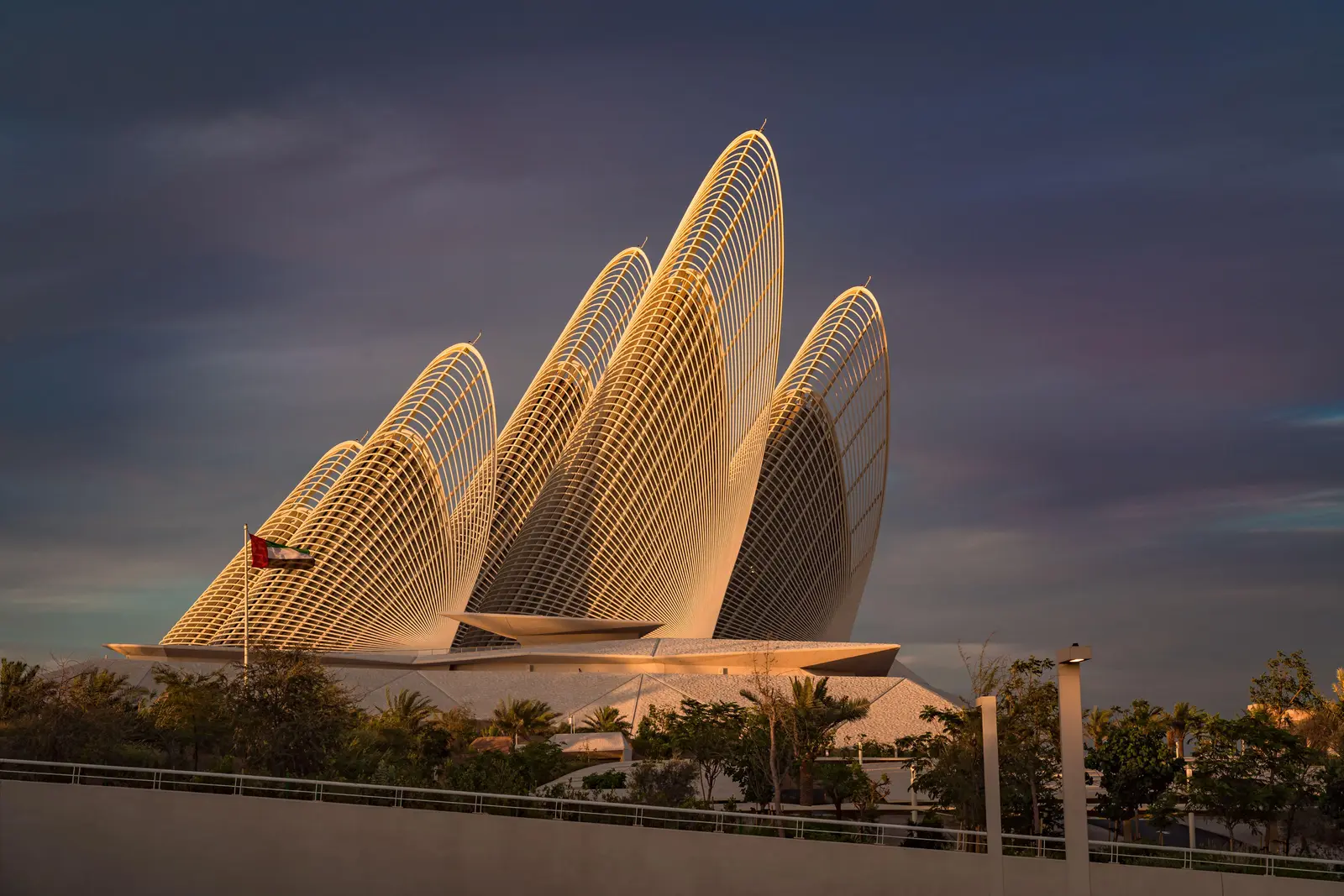
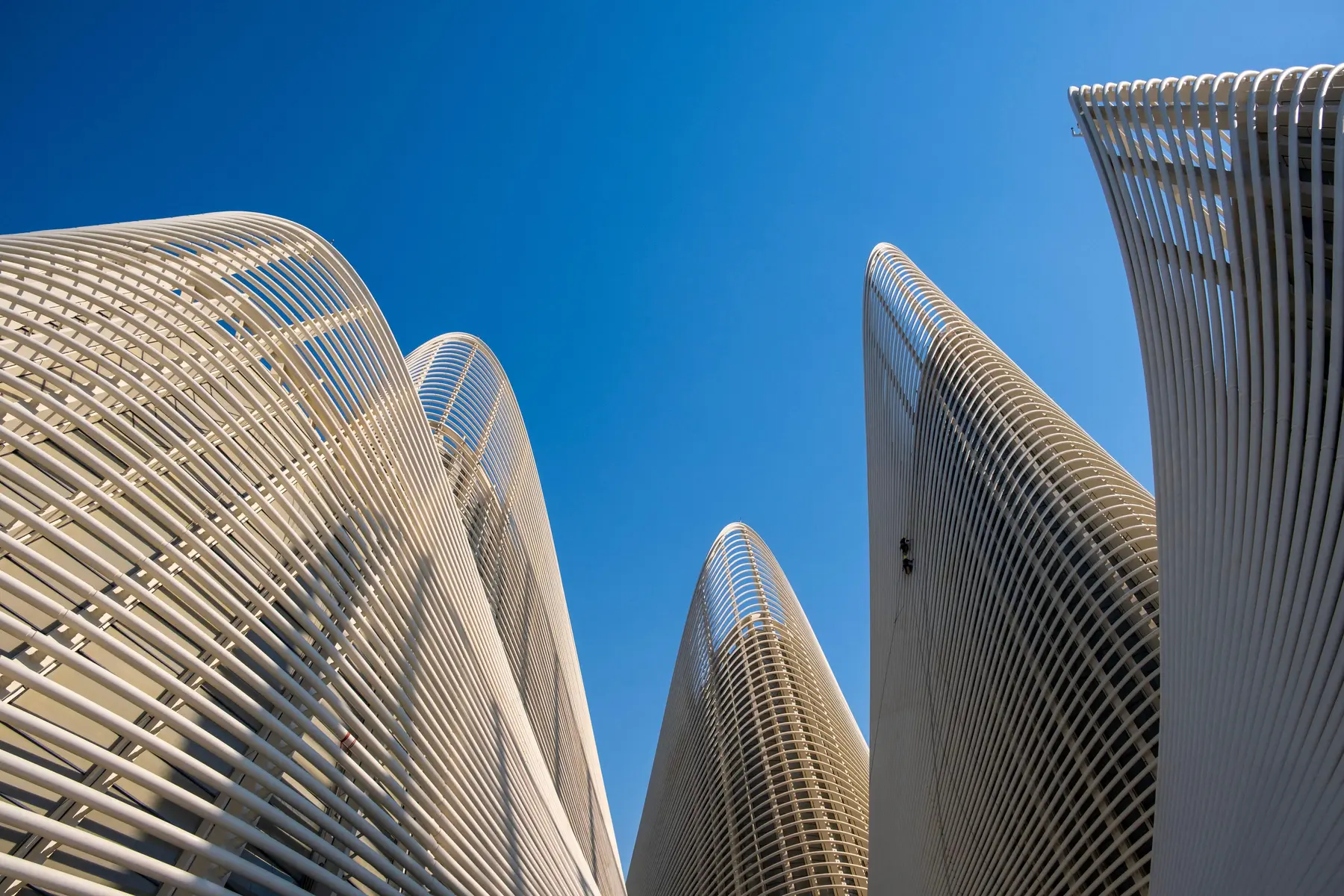
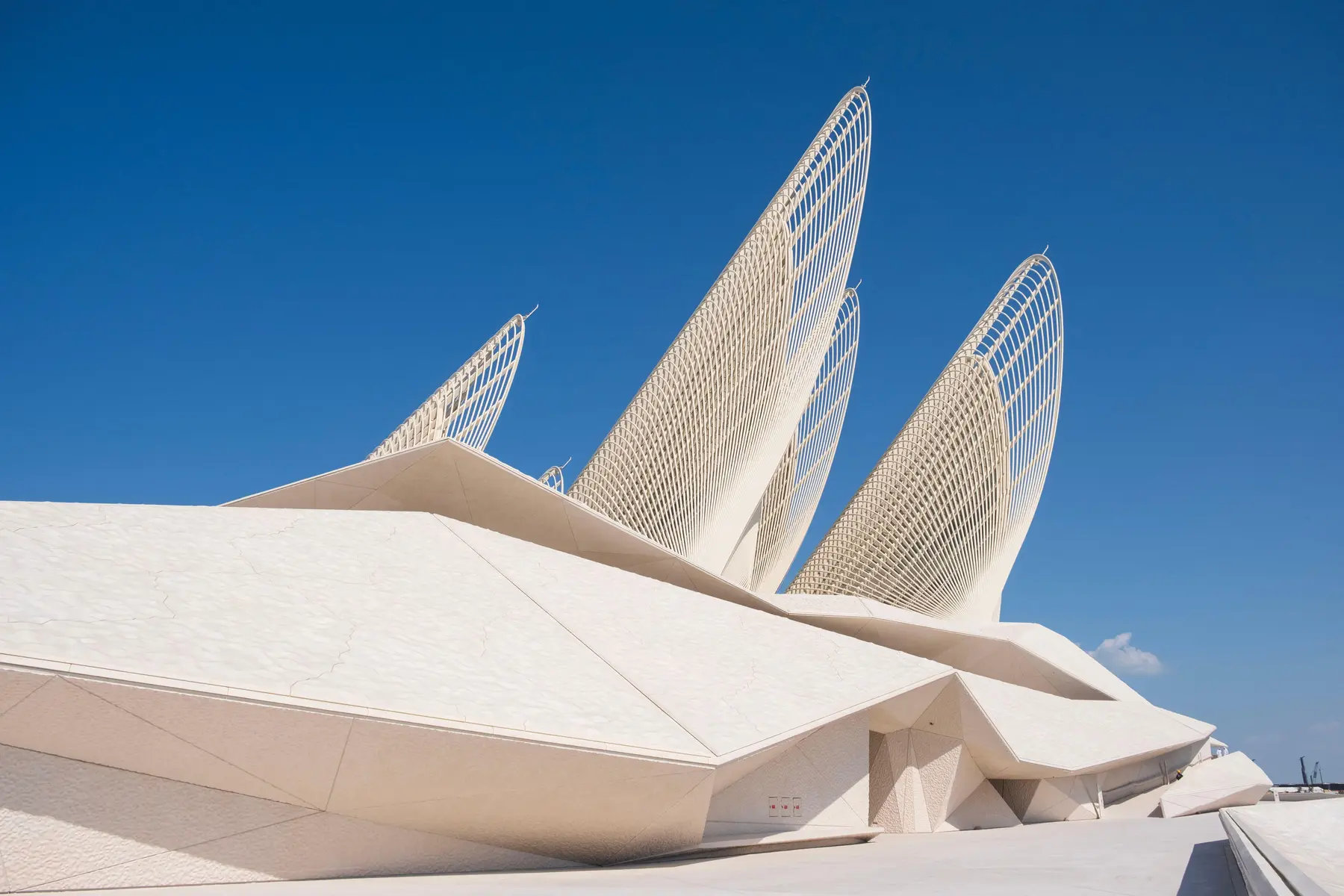
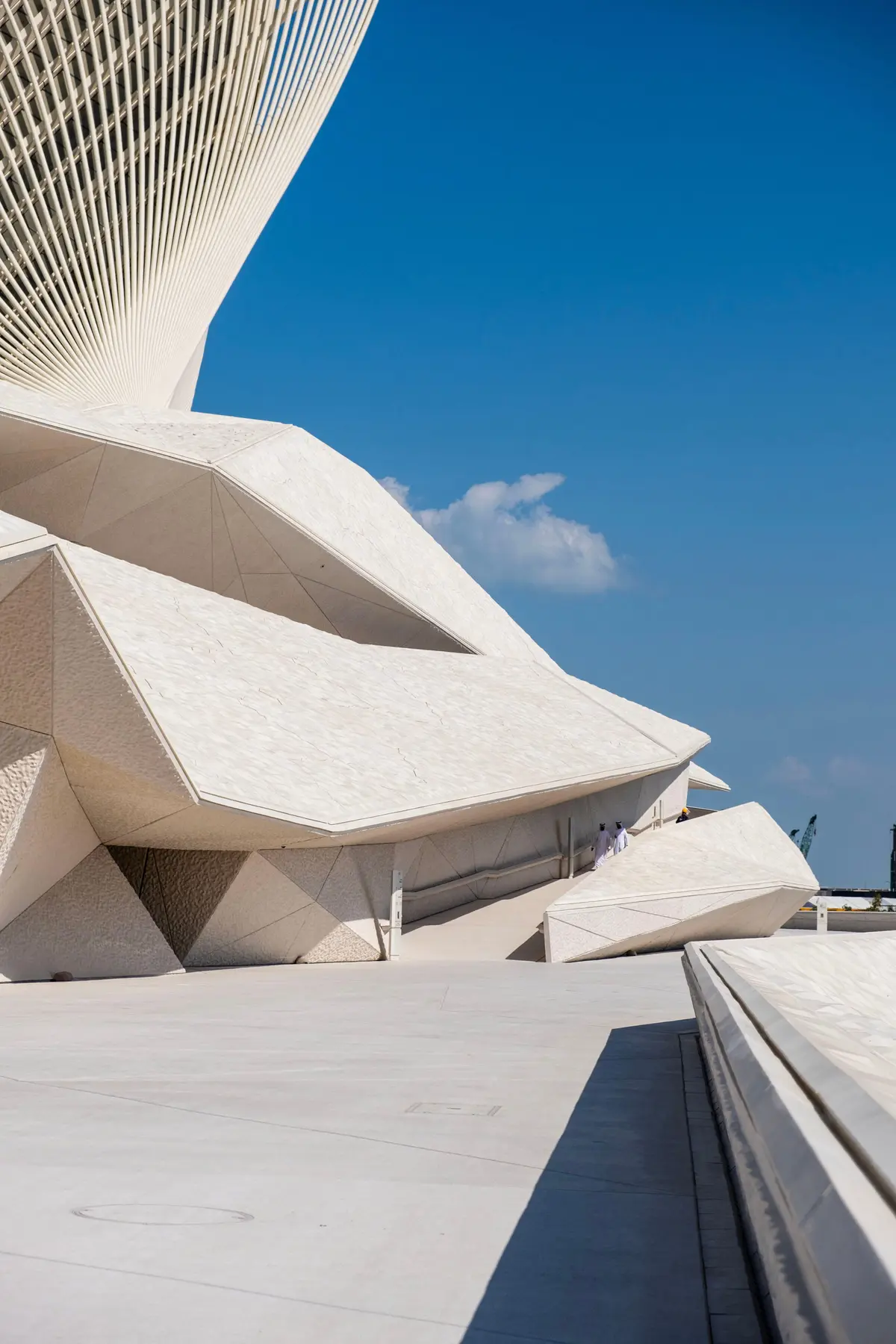
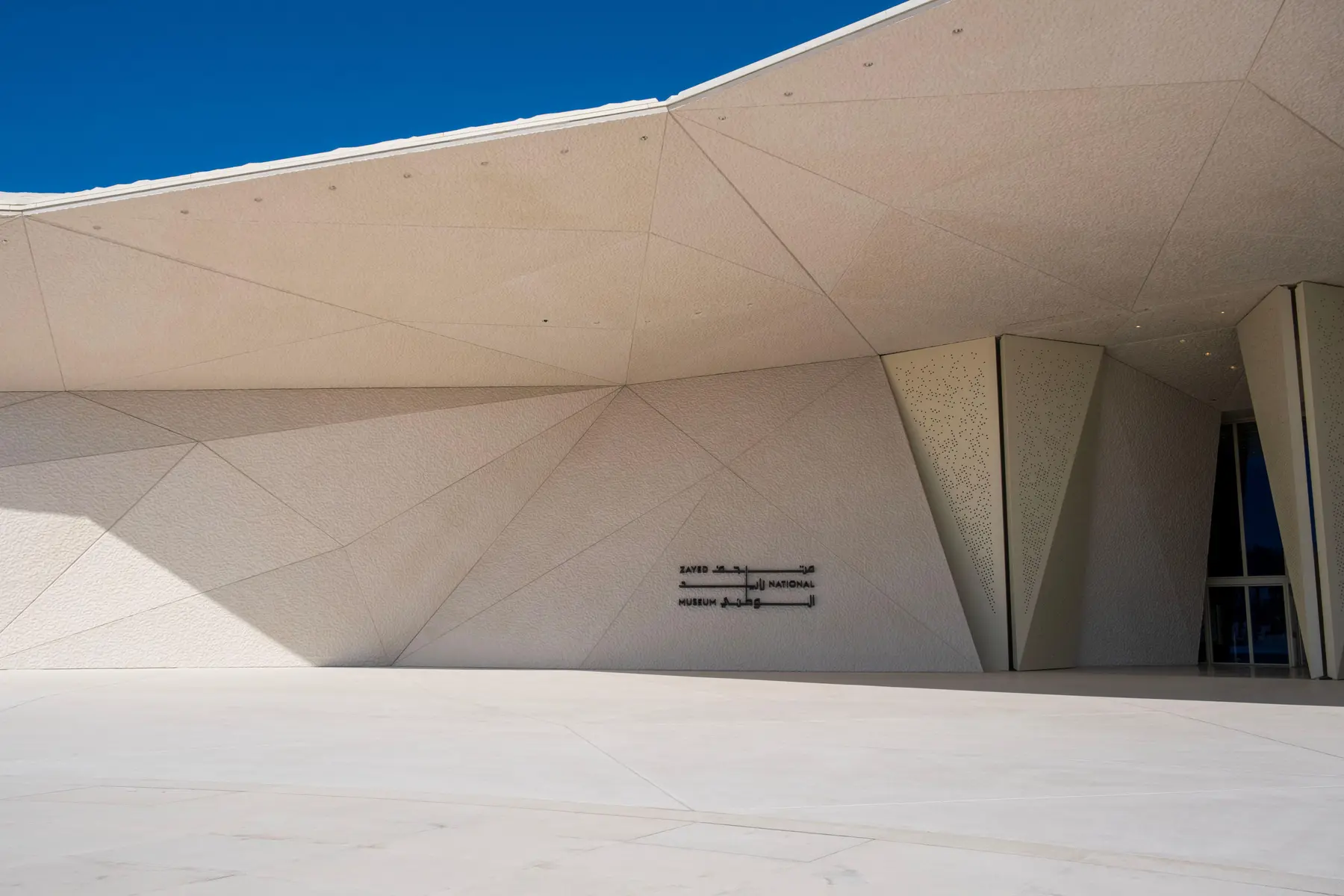
Some buildings just do a job. Others are trying to tell you something. The Zayed National Museum in Abu Dhabi, with its five steel structures rising like falcon feathers caught mid-flight, is very much the second kind. Nobody builds something like that by accident, and nobody builds it to a tight budget or a rushed timeline either. It exists to say something about the UAE — about heritage, ambition, and a refusal to settle for “good enough” when it comes to design.
That same instinct, scaled right down to a single home or office, is really what separates a nice interior from a genuinely well-designed one. You don’t need a national museum to prove the point. You need the right approach to luxury interior design in Dubai — one where a villa, an apartment, or a commercial unit is treated as a piece of architecture in its own right, not a list of finishes to tick off.
When Architecture Becomes Identity
Nothing about the Zayed National Museum happened quickly or cheaply. Every curve in that steel lattice was engineered on purpose, and every material was chosen because it supported the story the building was meant to tell. It’s a useful reminder, actually: good design is rarely an accident. It’s intention, technical skill, and a clear brief, followed through properly from the first sketch to the last coat of finish.
Dubai’s skyline has its own version of this story, just told in a different accent. Along Sheikh Zayed Road — the city’s most recognisable stretch of glass towers, five-star hotels, and corporate headquarters — buildings compete quietly to say something about ambition. And Sheikh Zayed Road interior design, the private clubs, lobbies, and residences tucked behind those façades, is expected to live up to whatever the exterior promised. If the outside says “this matters,” the inside can’t say “we ran out of budget.”
That’s really the point worth taking away here. A striking address means very little if what’s inside doesn’t hold up. More and more people buying and renovating property in Dubai seem to understand this instinctively, which is probably why demand for properly considered, professionally managed interior work — rather than a quick furnishing job — keeps climbing across villas, apartments, and commercial spaces alike.
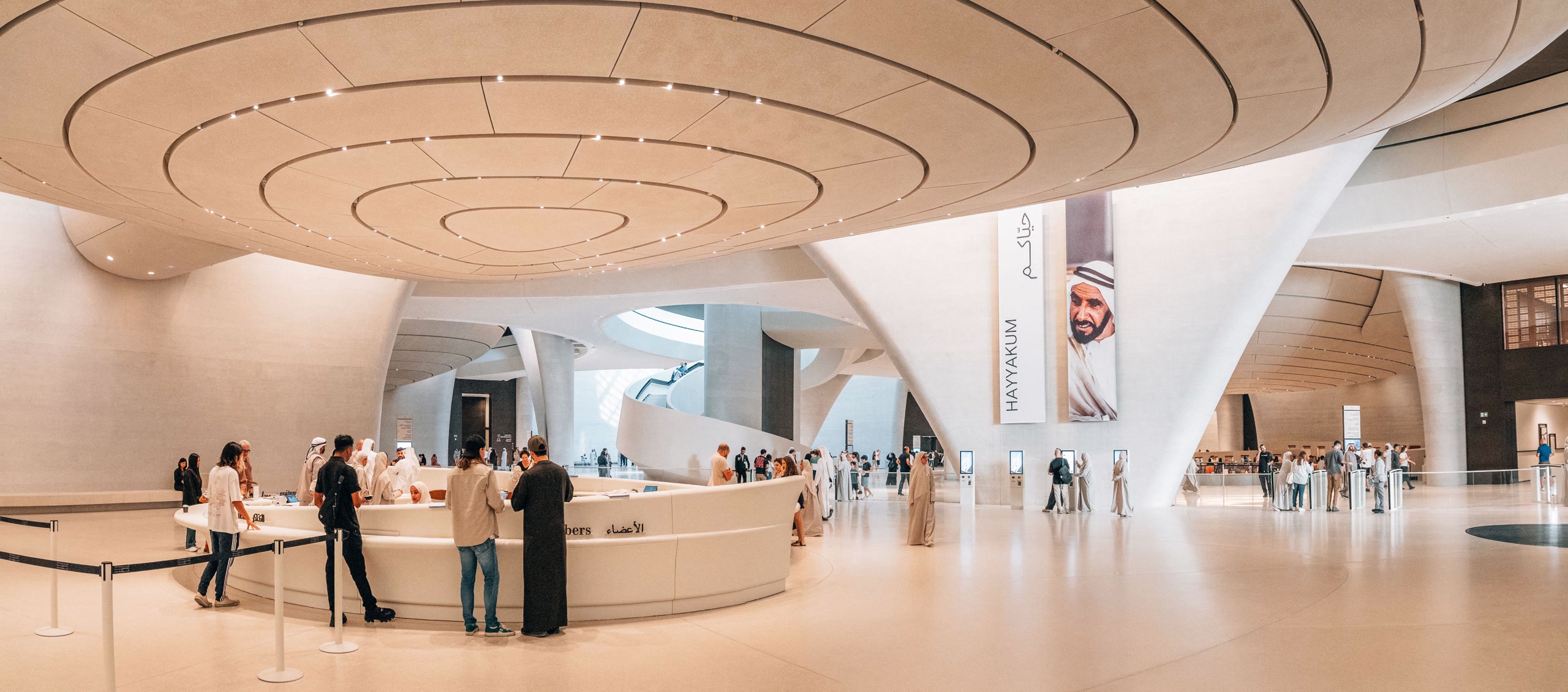
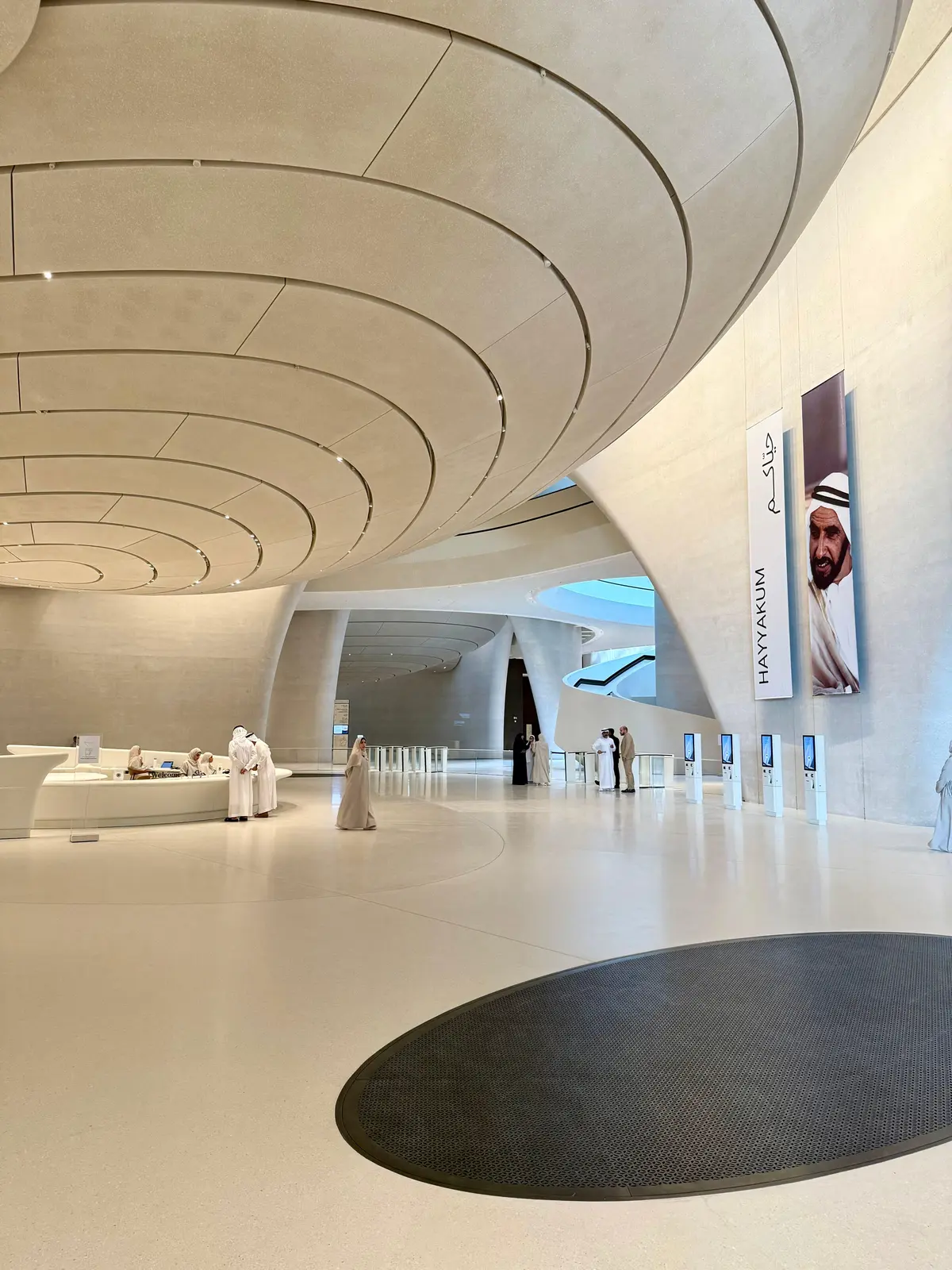
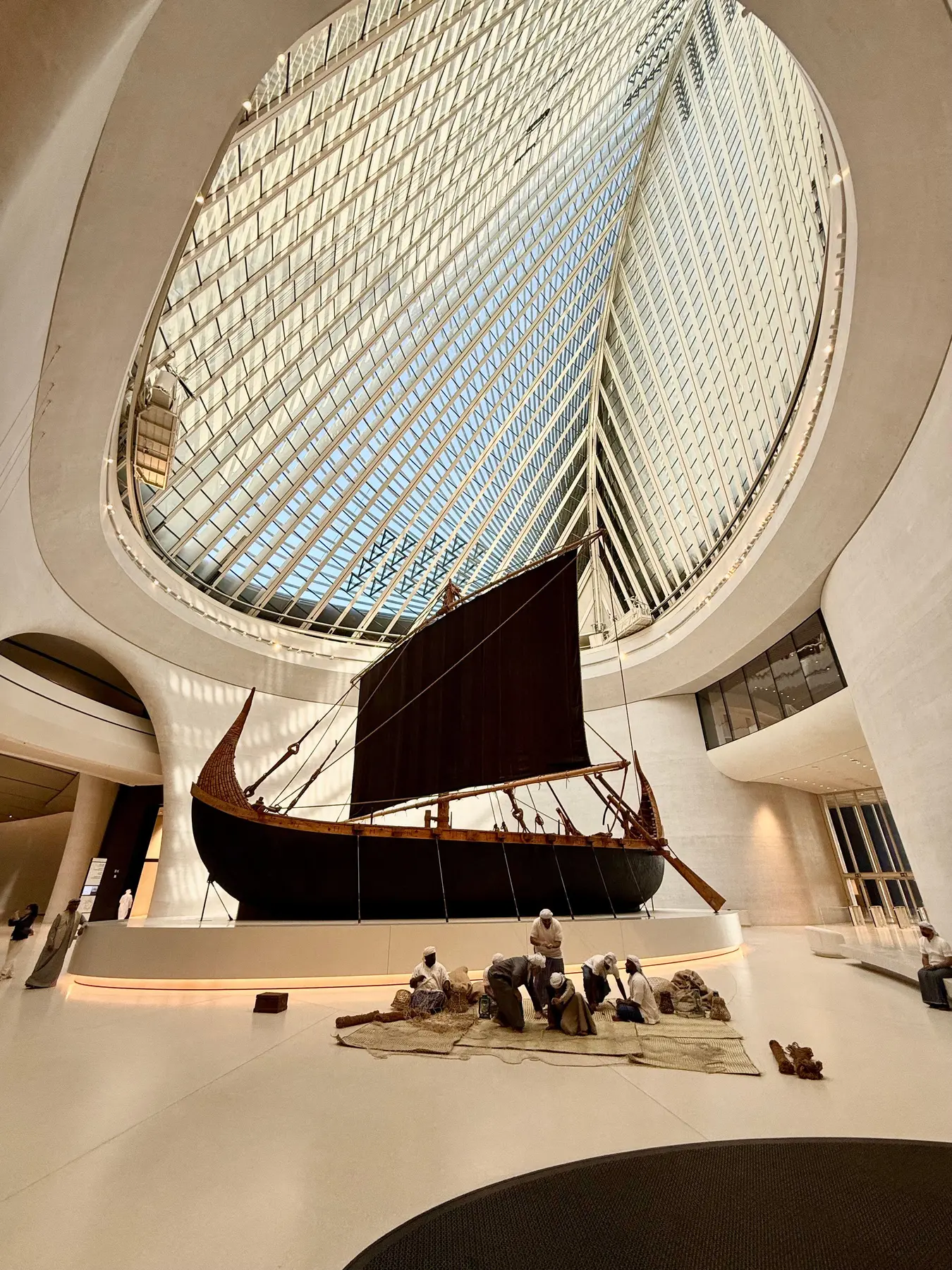
What’s Actually Trending in Dubai Interiors Right Now
A few shifts are worth knowing about if you’re planning a project this year.
Warmth is winning over cold luxury. The marble-and-gold look that once defined “premium” in Dubai has softened. Natural stone, textured plaster, and timber tones are showing up more, usually paired with fewer but better statement pieces rather than a room full of them.
Nature, brought indoors. Fit-outs increasingly lean on natural light, indoor planting, and materials like travertine, oak, and linen — partly to soften the effect of living behind glass in a city that’s mostly glass.
Smart, but invisible. Home automation and lighting control are close to standard now in premium properties, but the better installations hide the tech rather than showing it off. Nobody wants to see the wiring.
A quieter cultural touch. Arabic geometric patterns and mashrabiya-inspired screening are appearing more often in higher-end villa interior design in Dubai, though the best examples use them sparingly rather than as a theme.
Rooms that earn their keep. Purely decorative spaces are losing ground to home offices, wellness rooms, and living areas that can do more than one job.
What to Actually Think About, Property by Property
Villa Interior Design Dubai
Villas give you the most freedom — and, honestly, the most ways to get it wrong. Layout, light, and how the indoor and outdoor spaces (gardens, pools, the majlis) talk to each other need resolving before anyone picks a tile. It helps enormously to have one team accountable for design, MEP coordination, and finishing, rather than three separate contractors who each blame the others when something doesn’t line up.
Apartment Renovation Dubai
Apartment renovation comes with its own headaches: building management approvals, shared risers, walls you’re not allowed to touch, and strict working hours in most towers. A contractor who already knows the specific requirements of buildings under Emaar, Nakheel, or DAMAC will save you from delays that catch a lot of first-time renovators off guard.
Commercial and Business Fit-Outs
For business owners, a fit-out isn’t really about how it looks — or not only. It affects how your team works, what a client thinks when they walk in, and sometimes your lease compliance too. Commercial projects usually need closer coordination with landlords and, in free zones, specific accreditation bodies. Sorting that early avoids expensive rework later.

Why an Experienced Design-and-Build Company Actually Matters
You can manage a renovation through separate designers, contractors, and suppliers, and plenty of people do. But it puts most of the coordination burden on you. Working with an established interior fit-out company in Dubai on a turnkey interior design basis takes a fair amount of that off your plate:
- One team is accountable for design intent, budget, and execution — so there’s nobody to point fingers at but themselves if something goes wrong.
- Materials and site teams are already vetted, which tends to mean fewer surprises on cost or timeline.
- NOCs, Trakhees or municipality approvals, developer sign-offs — someone who already deals with this regularly will move through it faster than you will on your own.
- Snagging and after-handover support is far less confusing when one company owned the project from day one.
None of this guarantees a project without a single hiccup. It does meaningfully reduce the miscommunication and delay that tend to derail interior projects in Dubai.
About Harooni Design & Build
Harooni Design & Build has been working on residential and commercial interiors across Dubai since 2012, alongside villa owners, apartment owners, developers, and business owners on projects of all sizes. The thinking behind the work is the same thread running through this whole piece: good interior design should be intentional and technically sound from the first sketch through to handover, whether it’s a private villa, an apartment refresh, or a commercial fit-out.
Ready to Talk About Your Project?
If a villa renovation, apartment upgrade, or commercial fit-out is on your mind, it’s worth having a conversation about layout, budget, and approvals before any design decisions get locked in. Get in touch with Harooni Design & Build to talk through your project and see what a properly managed interior design process could look like for your space.
Frequently Asked Questions
1. How long does a typical villa interior design project take in Dubai? Most full villa projects run three to six months, though it depends heavily on the villa’s size, how much structural work is involved, and how quickly approvals come through.
2. Do I need approval from my community or developer before renovating my apartment? Usually, yes. Communities managed by Emaar, Nakheel, or DAMAC typically want to see renovation plans before work starts, especially if you’re touching structural elements or MEP systems.
3. What’s the difference between an interior designer and an interior fit-out company? An interior designer generally handles concept, layout, and material selection. A fit-out company builds and installs it. A design-and-build company like Harooni does both under one roof, so you’re not managing the handoff between them yourself.
4. Is turnkey interior design more expensive than hiring separate contractors? Not necessarily — the initial quote might look similar either way. Where turnkey projects tend to pull ahead is in avoiding the hidden costs that come from delays, miscommunication, and rework when several separate contractors are involved.
5. What should I prepare before my first meeting with an interior design company? A rough budget range helps enormously, along with a short list of priorities — layout, storage, lighting, materials — plus any inspiration images and your floor plan if you have one.